Scaling home wellness - A digital optimization strategy for lifestyle products
- Ecommerce
- Products
- Purchases
- Ads
- Meta
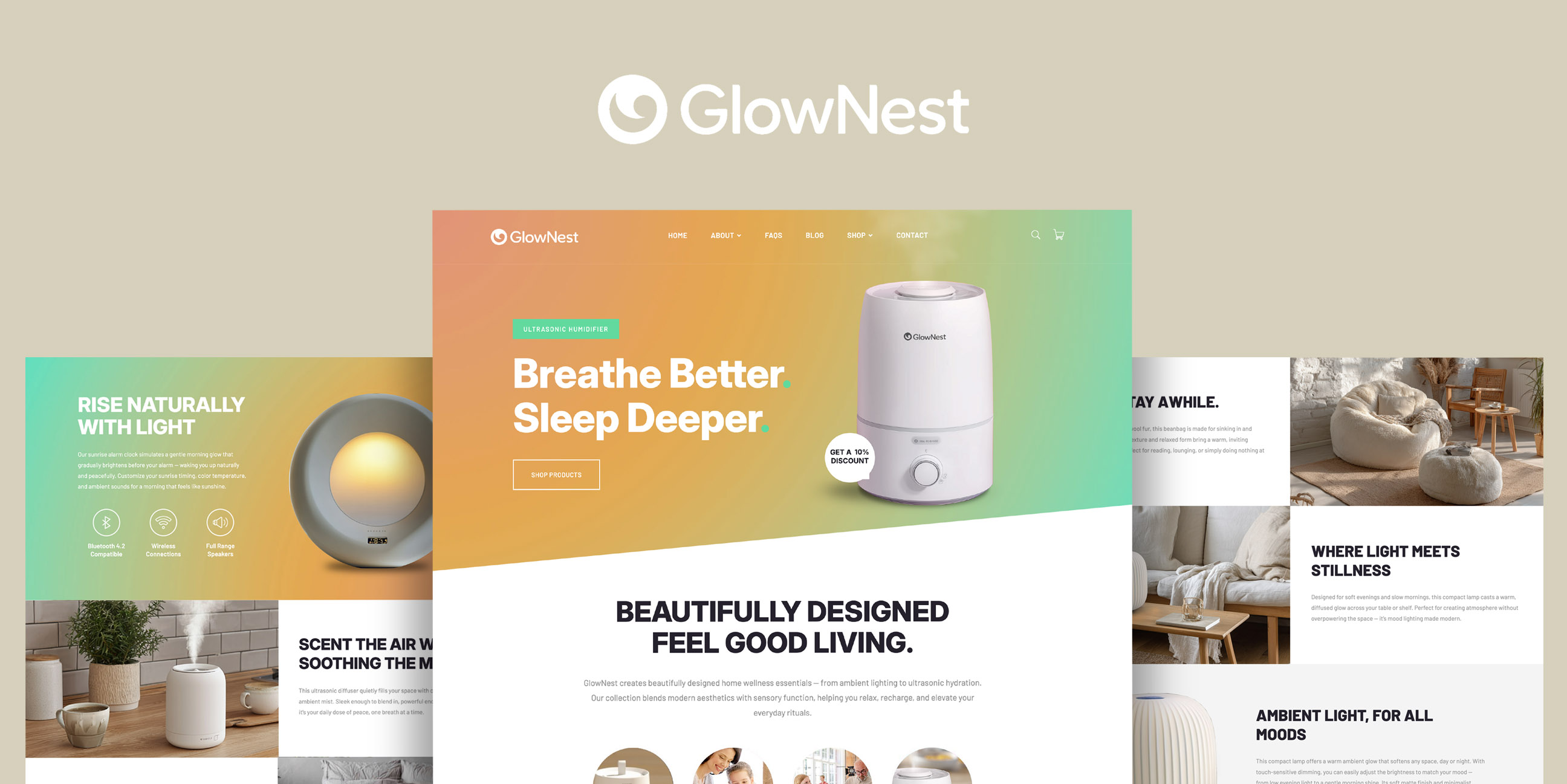
GlowNest offers a thoughtfully curated line of home wellness products—humidifiers, diffusers, mood lighting, and more—designed to elevate everyday spaces. While the brand had an engaged audience and high product appeal, its internal ad campaigns lacked the structure and creative clarity needed to unlock consistent growth. With multiple SKUs competing for attention, GlowNest struggled to build momentum behind any single product.
Our strategy began by identifying and doubling down on the brand’s flagship product: a sleek, ultrasonic humidifier. This allowed us to focus budget and messaging around a proven hero, giving the brand space to refine creative direction and clean up targeting inefficiencies. From there, we introduced a disciplined approach to ad structure, performance testing, and creative rotation—building a more reliable and scalable system.
What follows is a breakdown of how a product-led media buying strategy helped GlowNest build traction quickly, improve engagement rates, and set the foundation for multi-product scaling. Each phase illustrates how creative focus, organized testing, and disciplined campaign architecture can turn Facebook and Instagram ads into a dependable engine for ecommerce growth.
GlowNest’s in-house team ran broad, unfocused ads across channels without platform expertise—resulting in low performance and inefficient ad spend.


Here's how the humidifier campaign was performing under the in-house team—moderate click-through, high acquisition costs, and a low return on ad spend.
$66.89 per purchase
1.13%
$1.97
1.48x
Without creative testing, proper audience segmentation, or optimized funnel strategies, the ads lacked efficiency. To improve performance, we would need to reposition the product with stronger messaging, test new creative angles, and refine targeting to reach high-intent buyers. Establishing a scalable campaign structure and tightening the sales funnel would be essential to reduce acquisition costs and unlock sustainable growth.
While the visuals here are simple, they reflect a practical starting point for performance-driven creative. For GlowNest, I began with clean, text-free designs—aligned with Facebook’s current preference for native-looking content that blends into the feed. This approach helps test visual impact without distractions. Once strong performers emerged, I introduced headline-led versions to explore messaging angles. This process allowed me to iterate quickly while comparing results against the in-house team's creatives to find what resonated best.

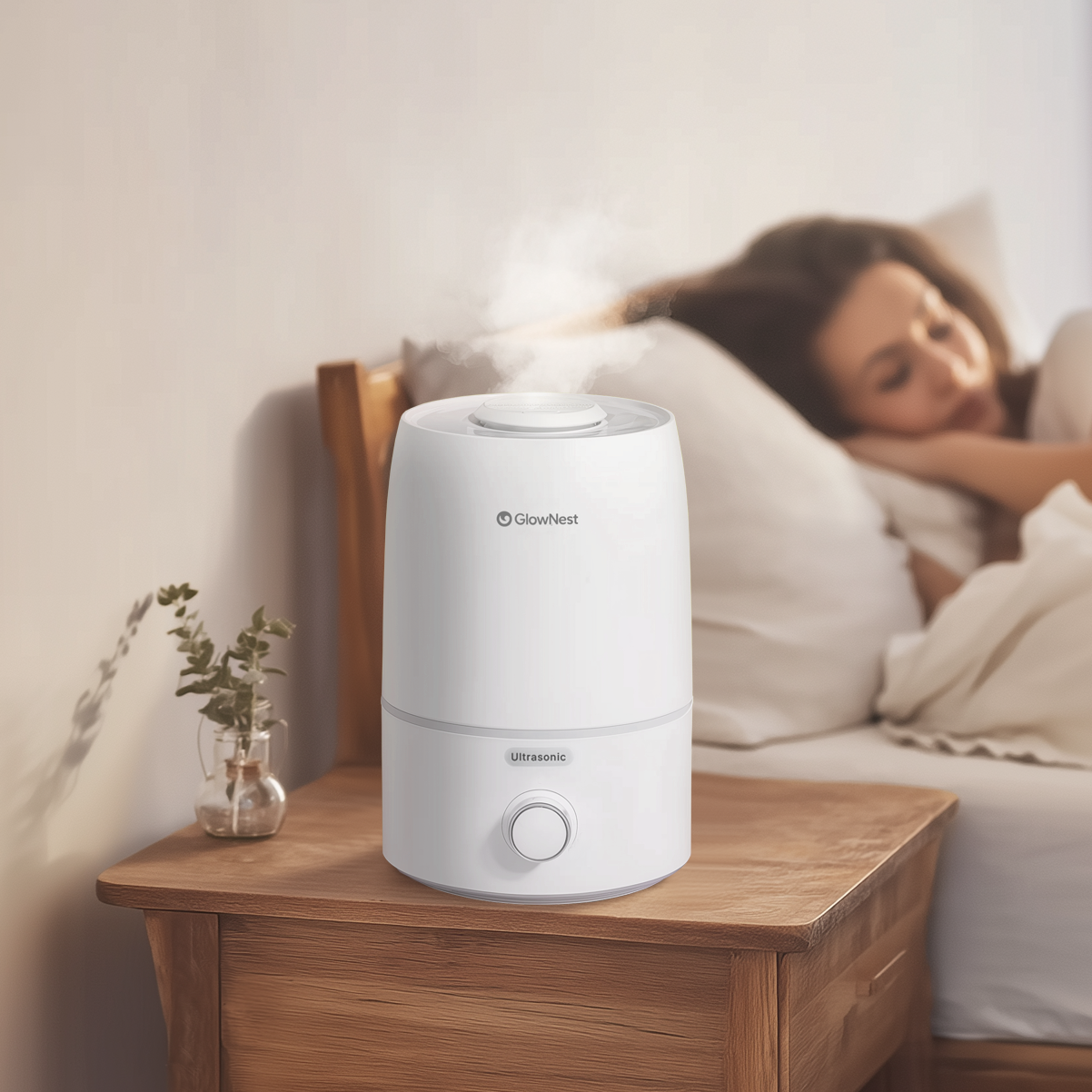
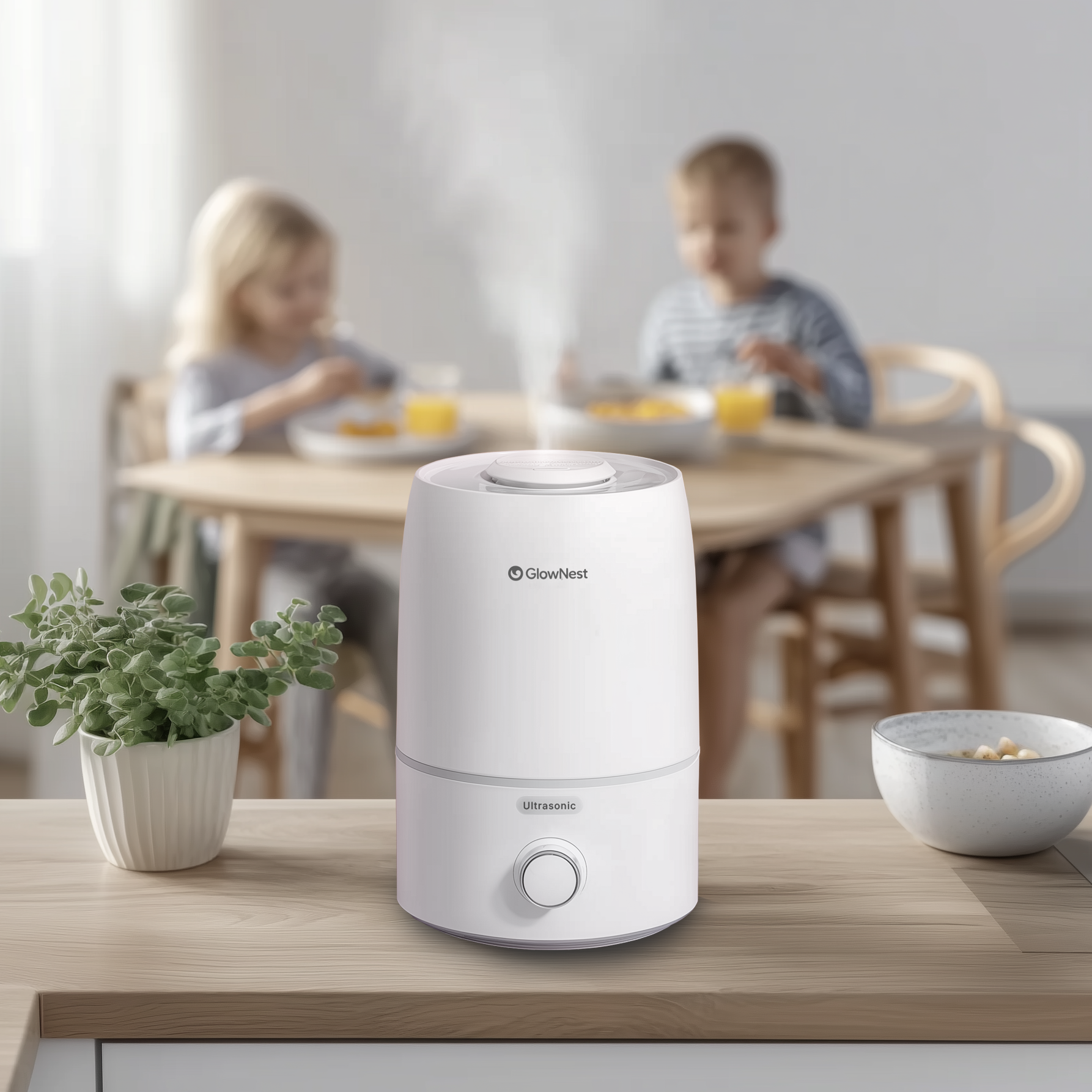

In the first month, results improved by combining select in-house copy with new creative and targeting. Early testing helped lower costs and set a strong foundation for growth.
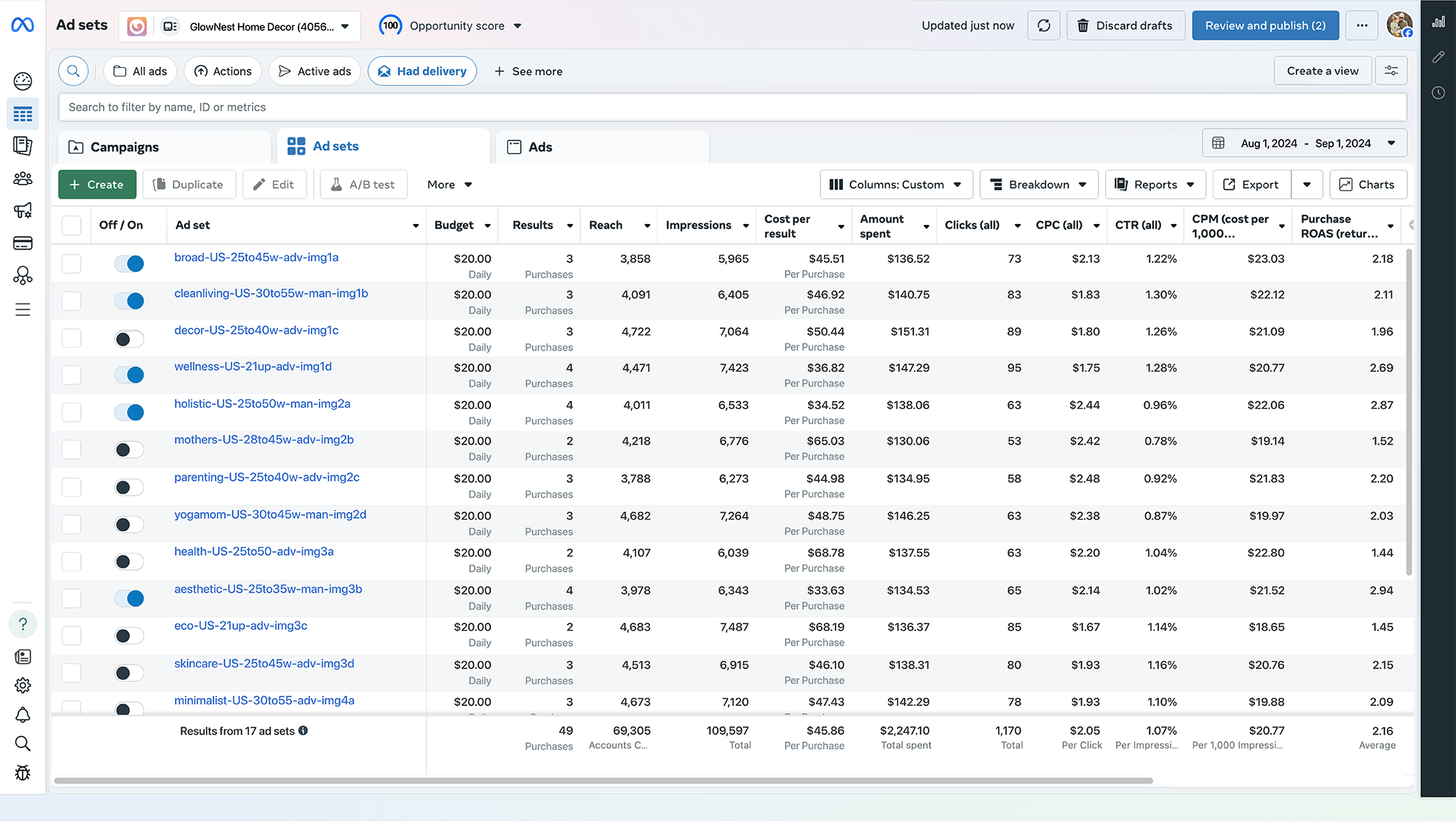

With $2,247 in spend, we generated 49 purchases at a $45.86 cost per purchase—down from $67.13 in the previous in-house campaign. ROAS jumped from 1.49 to 2.16. Although CTR remained around 1%, more consistent messaging, better ad structuring, and clearer conversion paths helped reduce wasted spend and set the stage for scale.
This first phase confirmed that structure matters as much as creative. Even with modest spend, organizing ad sets by buyer intent and aligning copy with the customer journey immediately increased efficiency. We also learned that the original ad creative had value—but it needed to be reframed with stronger visuals, clearer calls to action, and more thoughtful targeting. With a baseline performance established and profitable ROAS within reach, we had the data to move forward confidently into more aggressive scaling and creative testing.
By month three, performance scaled with stronger creative, increased budget, and better segmentation—delivering more purchases at a lower cost.
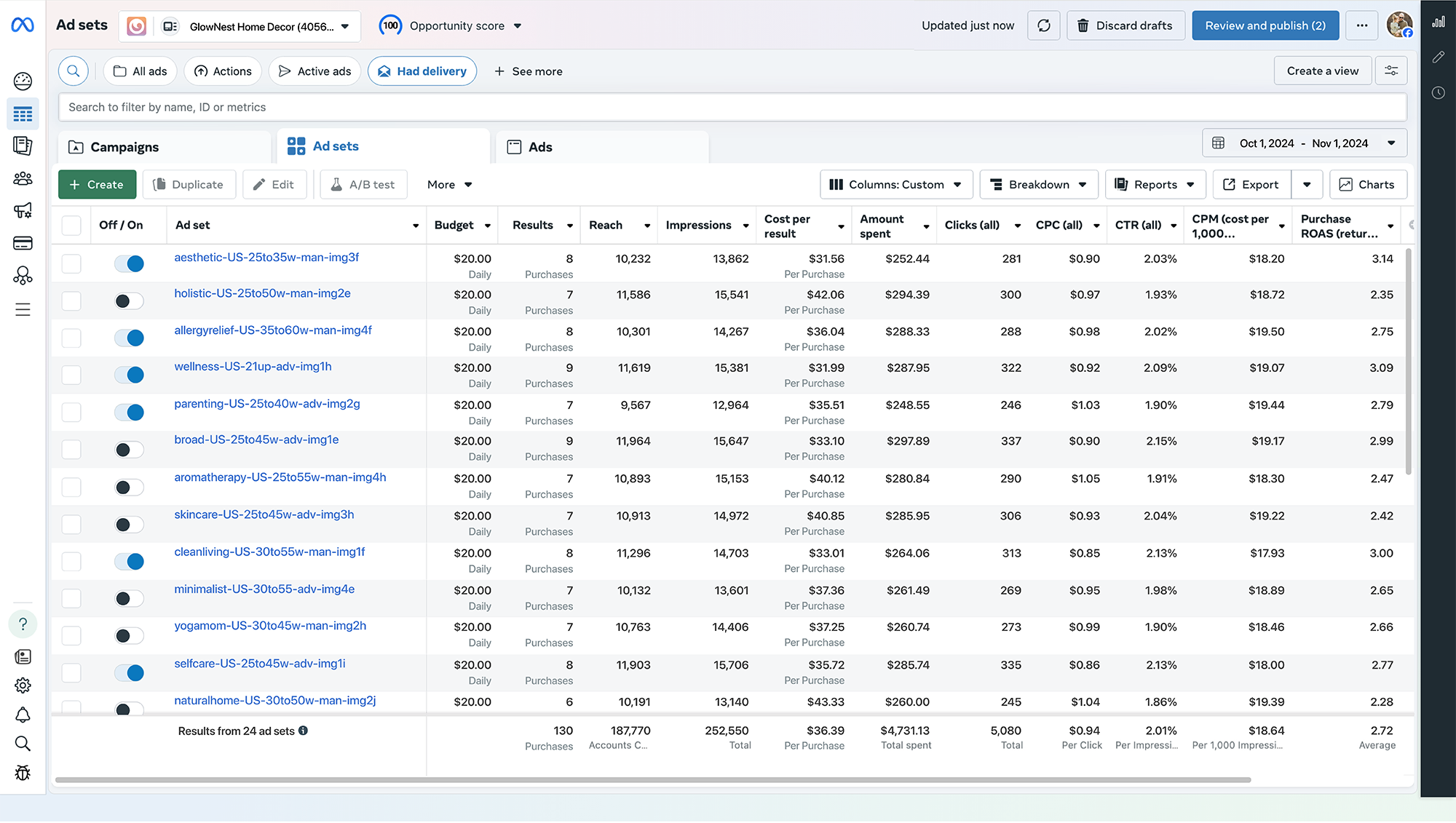
The campaign generated 130 purchases at a $36.39 cost per result—down nearly 21% from the previous month. ROAS increased to 2.72, clicks jumped to over 5,000, and CTR nearly doubled to 2.01%. This marked a turning point in the campaign: optimized audience segmentation, stronger hooks, and a more defined ad structure began to compound results. The campaign's ability to scale while improving performance confirmed that GlowNest’s humidifier had strong product-market fit—we just needed the right system behind it.
At this stage, we learned that consistent creative testing pays off. Our new image variations and messaging angles—especially around wellness and home air quality—began to outperform earlier creatives. We also discovered that narrower segmentation, including lookalike audiences based on high-value purchasers, performed better than broader cold targeting. Additionally, retargeting ads with social proof and subtle urgency helped close more conversions. Month 3 validated that our strategy was scalable and ready for the next phase of growth.
By month six, the campaign reached nearly 330,000 people and delivered over 300 purchases at our lowest cost per acquisition yet—cutting CPA by 35% and hitting a 3.36x ROAS.

With nearly $9,000 in spend, we drove 304 purchases at a $29.42 cost per result—down from $45.86 in month one. Click-through rate rose to 2.30%, CPC held steady at just $0.93, and overall ROAS peaked at 3.36. These gains came from a matured ad account, refined creatives, and a well-structured funnel. Performance was not just growing—it was stabilizing. At this stage, we had enough proven winners in rotation to confidently scale spend without sacrificing profitability.
By month six, the biggest takeaway was the power of incremental creative refinement and data-driven scaling. Our top-performing assets had been refreshed with subtle variations to combat ad fatigue, and evergreen creatives were supported by seasonal angles. Retargeting now included warm traffic and high-intent custom audiences, further improving efficiency. We also saw the impact of simplifying the offer and consistently promoting the flagship product as a hero SKU. With strong creative, clean targeting, and disciplined scaling, GlowNest had turned Facebook and Instagram ads into a sustainable growth engine.
With strong baseline performance established, the focus shifts to controlled scaling. New product categories are ready for testing, retargeting layers can be expanded, and creative variety will help maintain audience engagement. With a six-month ROAS of 3.36, there’s now room to test broader audiences, seasonal offers, and influencer collaborations—turning Facebook and Instagram into a dependable growth engine for the brand.